

Bioelectric Chemistry
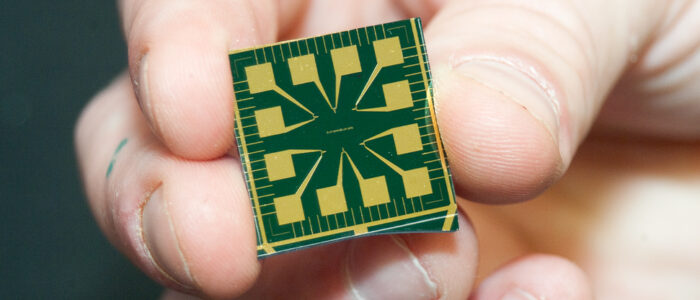
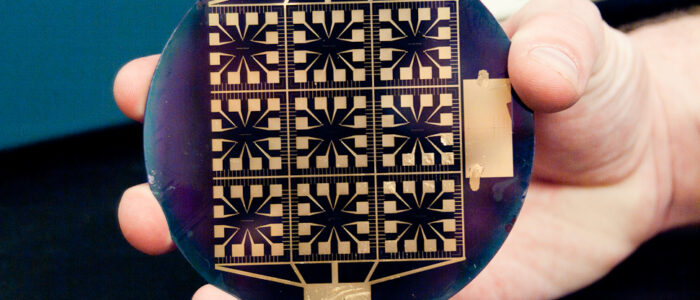
Bioelectrochemistry explores how electron transfer and chemical signaling drive the processes of living systems, and how we can use electrochemical tools to measure them. In our lab, we develop sensitive electrochemical and microfluidic methods to study biomolecules and cells, such as the release of ATP from red blood cells, where small chemical changes reflect the health and function of the cell. We pair these measurements with new materials, electrodes, and 3D-printed devices that let us interrogate biological samples at the scale of single cells. Together, these approaches help us understand how cells communicate, respond to their environment, and use charge and chemistry to function.
Pictures from our lab:
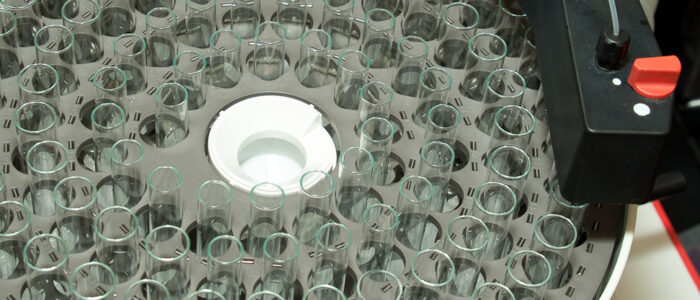
A look at the equipment and experiments behind our work
Our Goals:
–Measure chemical signals from single cells. Develop electrochemical and microfluidic methods sensitive enough to detect small molecules, such as the ATP released by red blood cells, from individual cells rather than averaged over many.
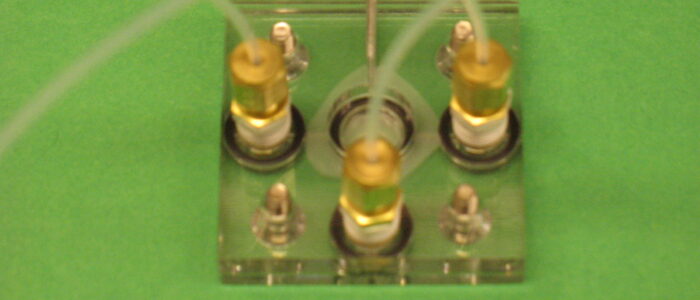
–Build better tools for biological measurements. Design new electrodes, 3D-printed devices, and cell-culture platforms that let us study cells under realistic conditions, such as the shear stress that cells experience in blood vessels.
–Link cell chemistry to health and disease. Use these measurements to understand how cells respond to their environment and how changes in their chemistry, such as in stored red blood cells, reflect function and could improve how we monitor or treat them.
Relevant Recent Publications:
A selection of our latest papers on bioelectric chemistry, updated automatically from our full publication list.