

Electrochemistry Instrumentation
Electrochemical measurements are only as good as the instruments behind them. Electrochemistry instrumentation focuses on the hardware, electrodes, and measurement methods that let us apply controlled potentials and detect tiny currents and chemical signals from a material surface or a single cell. In our lab, we design and build these tools ourselves, including electronics, 3D-printed electrodes and devices, microfluidic platforms, and scanning probe methods like scanning electrochemical cell microscopy, often combined with techniques such as mass spectrometry. Building our own instruments lets us ask questions that commercial systems can’t answer, and it gives us the control to make measurements faster, smaller, and more information-rich.
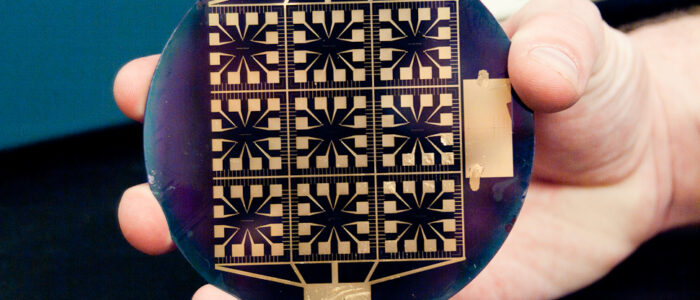
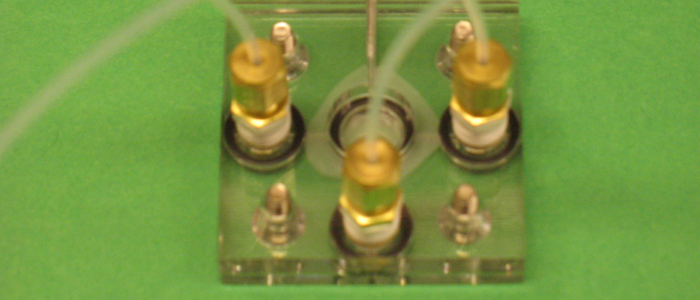
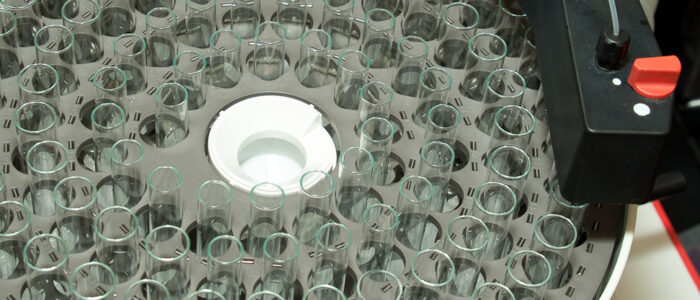
Pictures from our lab:
A look at the equipment and experiments behind our work
Our Goals:
–Build the next generation of measurement systems. Design and fabricate electronics, electrodes, cells, and devices. This includes efforts in both high-resolution and high-throughput settings. New hardware approaches and new data-processing methods are key to realizing new advances.
–Measure at smaller scales and higher throughput. Develop probes and platforms that map electrochemical activity at the level of single nanoparticles and single cells, and that gather many measurements in one experiment.
–Combine electrochemistry with other tools. Pair electrochemical measurements with techniques such as mass spectrometry and microfluidics so each experiment reveals both how much reaction occurs and what is happening chemically.
Relevant Recent Publications:
A selection of our latest papers on electrochemistry instrumentation, updated automatically from our full publication list.